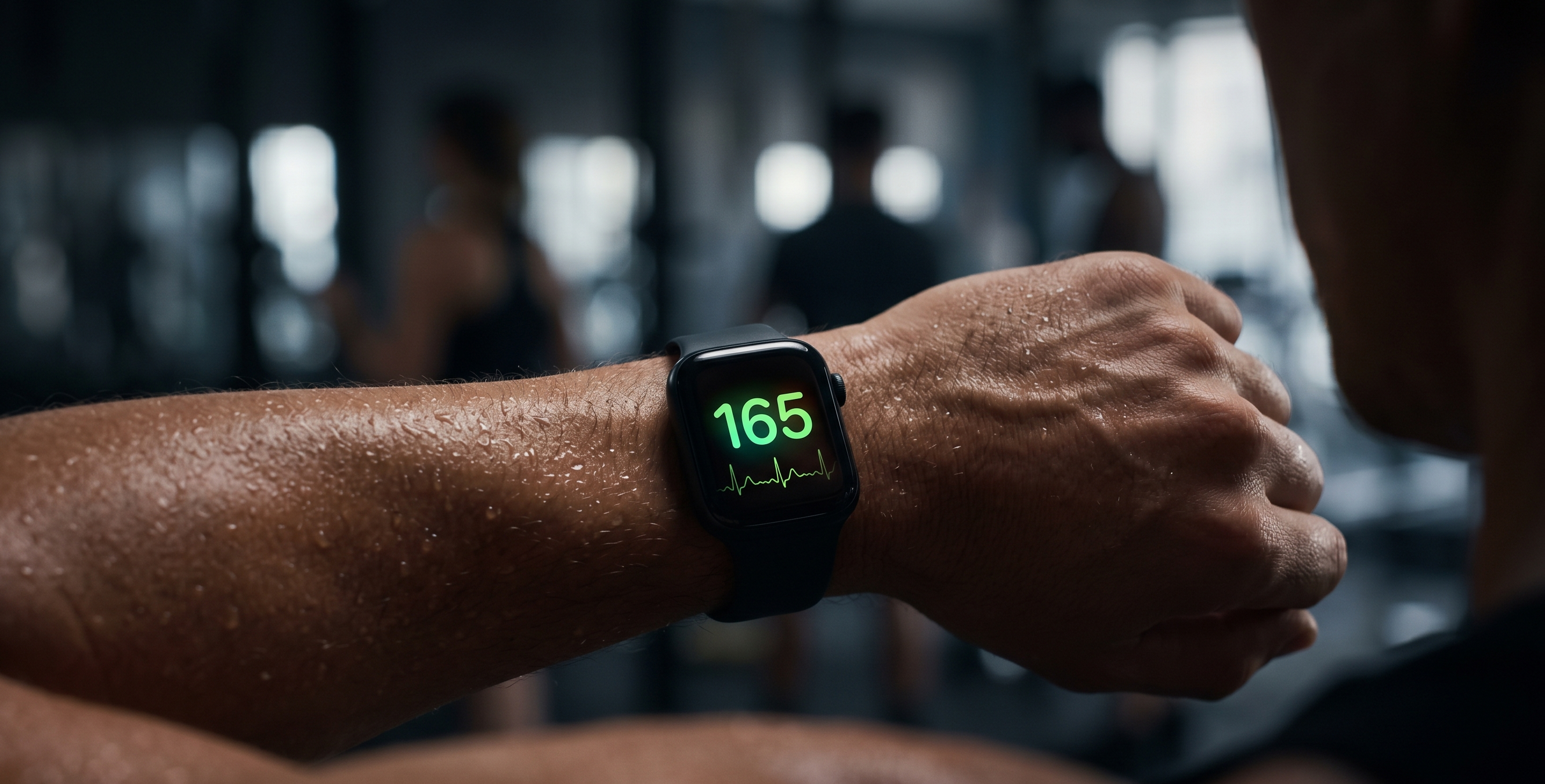
You can train hard every single day and still not make progress. Sometimes the problem is not effort. It is timing. Pushing through a heavy squat session on four hours of sleep does more damage than good. But without data, you are just guessing whether today is a day to push or a day to rest.
That is the real value of health tracking for people who lift. It is not about obsessing over numbers. It is about knowing when your body is actually ready to perform and when it needs time to recover.
A dashboard built around your priorities
LiftZone Workouts gives you a fully customizable activity dashboard. You choose which metrics show up, drag them into the order that makes sense for you, resize them, or hide the ones you do not care about. If you only want to see heart rate and sleep, that is all you will see.
The dashboard covers everything from daily steps and workout volume to progress photos and personal records. But the cards that tend to change how people train are the ones focused on recovery.
What your heart rate is really telling you
Most people think of heart rate as a single number. In reality, there are several heart rate metrics and each one tells a different story about your body.
LiftZone Workouts organizes your heart rate data into distinct zones that range from light warmup all the way to peak effort. Knowing which zone you spend time in during a workout helps you understand whether you are training at the right intensity for your goals.
But the real insights come from two metrics most people overlook: resting heart rate and heart rate variability.
Your resting heart rate is your baseline. When it is unusually elevated, your body is telling you something. It could be poor sleep, accumulated stress, early signs of illness, or simply too much training volume without enough recovery. A jump of five to ten beats above your normal average is a reliable signal to ease up.
Heart rate variability, or HRV, measures the variation in time between successive heartbeats. Higher variability is a good sign. It means your nervous system is in a recovered, adaptable state and you are ready to train hard. Lower variability suggests your body is under stress and would benefit from a lighter session or a rest day.
HRV is a deeply personal metric. What matters is not the absolute number but the trend over time. A consistent decline often signals overtraining or chronic stress, while a gradual upward trend usually reflects improving fitness and recovery.
Sleep is where your gains actually happen
Muscle is not built in the gym. It is built during sleep. Growth hormone peaks during deep sleep, and tissue repair happens while your body is at rest. LiftZone Workouts tracks your sleep and displays it alongside your training data so you can see the relationship directly.
When you compare a week where you hit personal records with a week where everything felt heavy, the difference is almost always visible in the sleep data. Consistently getting under six hours will stall your progress regardless of how good your programming is.
Understanding recovery and strain
LiftZone Workouts combines your activity levels, sleep quality, and nutrition consistency to give you a picture of your overall recovery and strain.
Think of strain as how much you have been asking from your body. Recovery is how well your body has been answering. When strain consistently exceeds recovery, performance drops and injury risk increases. When they are balanced, you make steady progress.
The app surfaces insights you might not catch on your own. Maybe your calorie intake has been inconsistent, or your protein has dropped off, or you have not been drinking enough water this week. These are small patterns that are hard to notice day to day but become obvious when you step back and look at the bigger picture.
Closing the loop with your Apple Watch
If you wear an Apple Watch, LiftZone Workouts uses that data to paint an even richer picture. Your workouts sync to your Apple Fitness rings, and the heart rate data captured during your sessions feeds into your recovery and calorie estimates.
Your health data lives on your device and in your personal iCloud — synced only across your own devices and visible only to you. Nothing about you is ever sold, and there are no ad networks or third-party trackers anywhere in the app.
How to use this information
The goal is not to check your dashboard every hour. It is to glance at it before you train and make a smarter decision about your session. If your HRV is trending down and you slept poorly, maybe today is a mobility day instead of a max effort day. If your recovery metrics look strong and your sleep was solid, go for it.
Small adjustments like these compound over time. Training smarter is not about doing less. It is about doing the right amount at the right time.
See your full health picture in one dashboard.
Download LiftZone Workouts